Getting real about direct cremations…
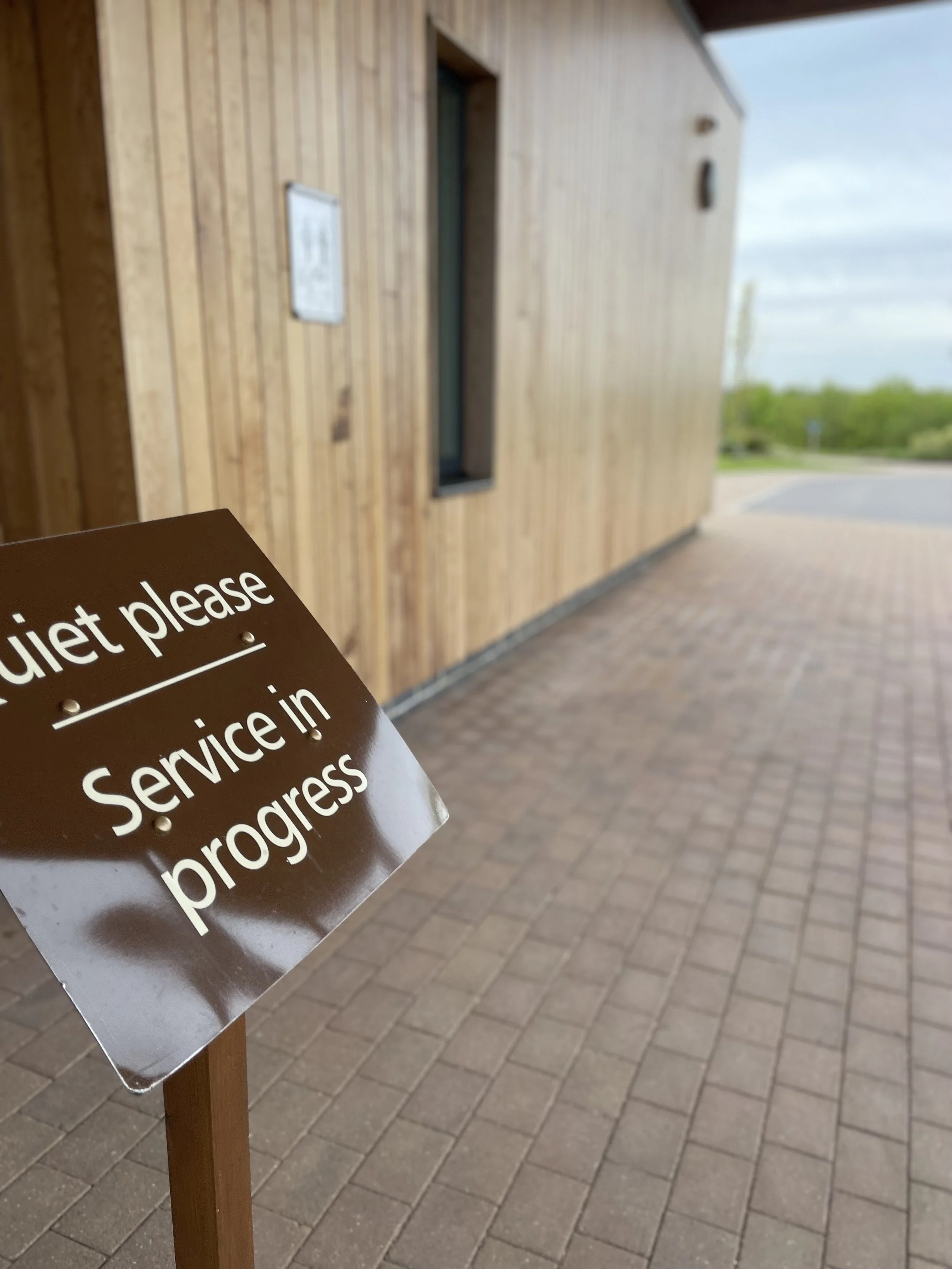
A couple of weeks ago I arrived at my local crematorium ready for that afternoon’s service. The weather was pretty grim, so I made a quick dash for the door, ready to dart straight into the vestry. Not, however, before I cast a quick glance at the board to see how many services there were that day. “Blimey” I thought to myself, “that’s a busy old day”.
It was only when I looked closer that I realised that, out of the nine services that day, mine was one of only two attended services.
The rest were all direct cremations. Seven of them. All done and dusted by lunchtime. Neat, tidy, out of the way, before anyone else arrived.
Unusual, maybe… but part of a growing trend? Definitely.
We’ve all noticed it. Those little conversations we have in the moments before and after services – celebrants, chapel attendants, funeral directors all asking each other “Busy at the moment?” – those conversations are changing. Now there’s a new question we’re asking each other. “Think it’s because of the directs?”
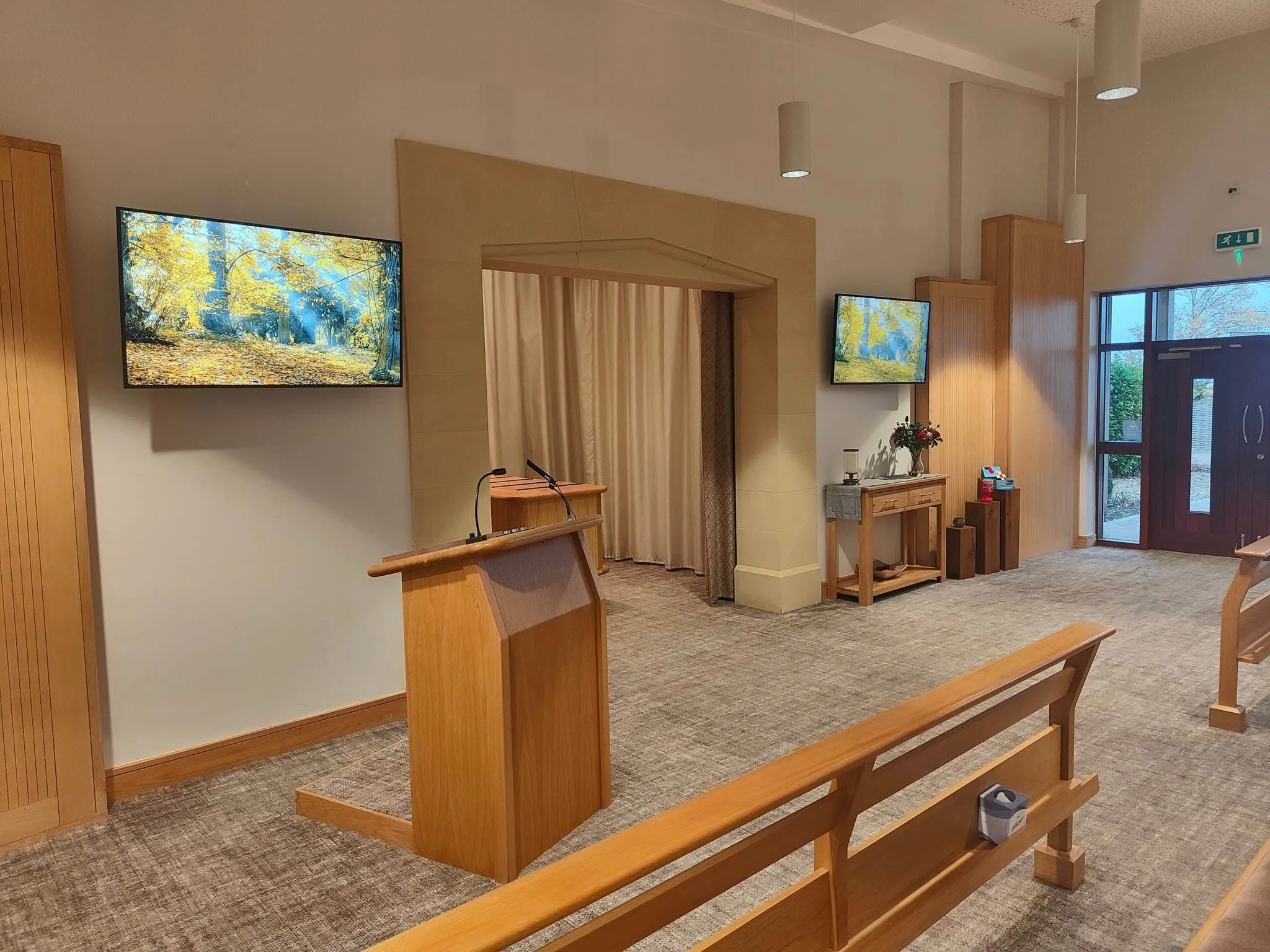
The most recent State of Dying report tells us that 21% of all funerals are now a direct cremation.
That’s one in five people choosing unattended services, often with big, national providers that promise low prices… and have huge advertising budgets that few funeral businesses can compete with. Mine certainly can’t.
I find the adverts by turns infuriating and fascinating. There are the no nonsense adverts, plainly stated facts telling you how much you’re going to be able to save – in terms of both money and trouble – although they rarely contain much in the way of detail about how it’ll all actually work. And then there are the ‘lifestyle’ ones. You’ve probably seen them. The folk duo, all smiles as they strum gently away on their guitars and sing about how to have a farewell that won’t disrupt anyone’s life… or break the bank.
Adverts like these are working. In 2019, only 52% of people were aware of direct cremation as an option. It’s now 85%, and continuing to increase year on year.
There’s also no doubting the impact it’s having on other funeral businesses – again, including mine. I need to sit down and do the maths – something which, quite honestly, I’ve been avoiding – but I know that my funeral bookings are down.
There could be a lot of factors contributing to the dip, but direct cremations has to be right up there on the list. And, when I see a crematorium service list where seven out of the nine funerals for that day are directs… it’s hard to stop the anxiety creeping in. Running a sustainable small business in the funeral world right now is tough.
My first instinct is to see direct cremation as inherently bad. So much of who I am, what I do, and the way in which I work is all about the power of collective mourning and ritual making. You might be thinking “Well, she would say that, she’s a celebrant and the rise in direct cremations means she’s losing business” and you’d be right… well, partly right anyway.
I just think that sometimes, in our hurry to tidy away death and not be a bother to anyone, we miss what can be equally important, the opportunity to take our leave of someone who has been an important part of our story. That matters.
I’ve led plenty of funerals where someone has come to me afterwards and talked about how important it was to have the chance to say goodbye that they didn’t have with their dad, their brother, their friend… because there was no funeral, and that left things unresolved for them. It’s often said that funerals aren’t really for the dead, they are for the living… and the living need to be able to say goodbye in a meaningful way, together.
I also have issues with the way that people are sold the idea of direct cremation. Big advertising budgets and clever campaigns are all well and good, but they can also be absolutely relentless in their targeting of older people. My downstairs neighbour, who is in her late eighties, once got five leaflets in one day!
More worryingly, people aren’t always fully aware what they are buying into, of some of the fine print… the small details that, in fact, can be incredibly important to the people left behind.
Like the option of visiting the person who has died before the funeral. With a direct cremation, that isn’t included. Will there be a choice of crematorium? Often, the answer is no. Will their body be cared for locally? Again, often the answer is no. I’ve witnessed the real distress this can cause, when people discover the reality of what is involved, and that they won’t be able to say goodbye in the way they need to… it all just feels a bit – well, impersonal.
Also, many local funeral directors also offer low cost funerals or direct cremations. It doesn’t have to be one of the big national providers. With a local funeral director, you know where your person will be cared for… and you know who by. That can be really important.
With all that said, we have to get real.
Direct cremation is here to stay.
That ship has well and truly sailed.
And what does that mean for us as funeral businesses? Well, it means we have to get creative. We have to have a good long think about exactly what it is that we offer, and how we can support families in the way they need. In my book, that’s a good thing.
One way we can do this is by helping families organise a celebration of life after a direct cremation. More and more people seem to be choosing this option. The same State of Dying report also notes that 86% of people are choosing to hold some sort of memorial after a direct cremation (although other sources suggest that, while the intention is there, it isn’t always actually happening).
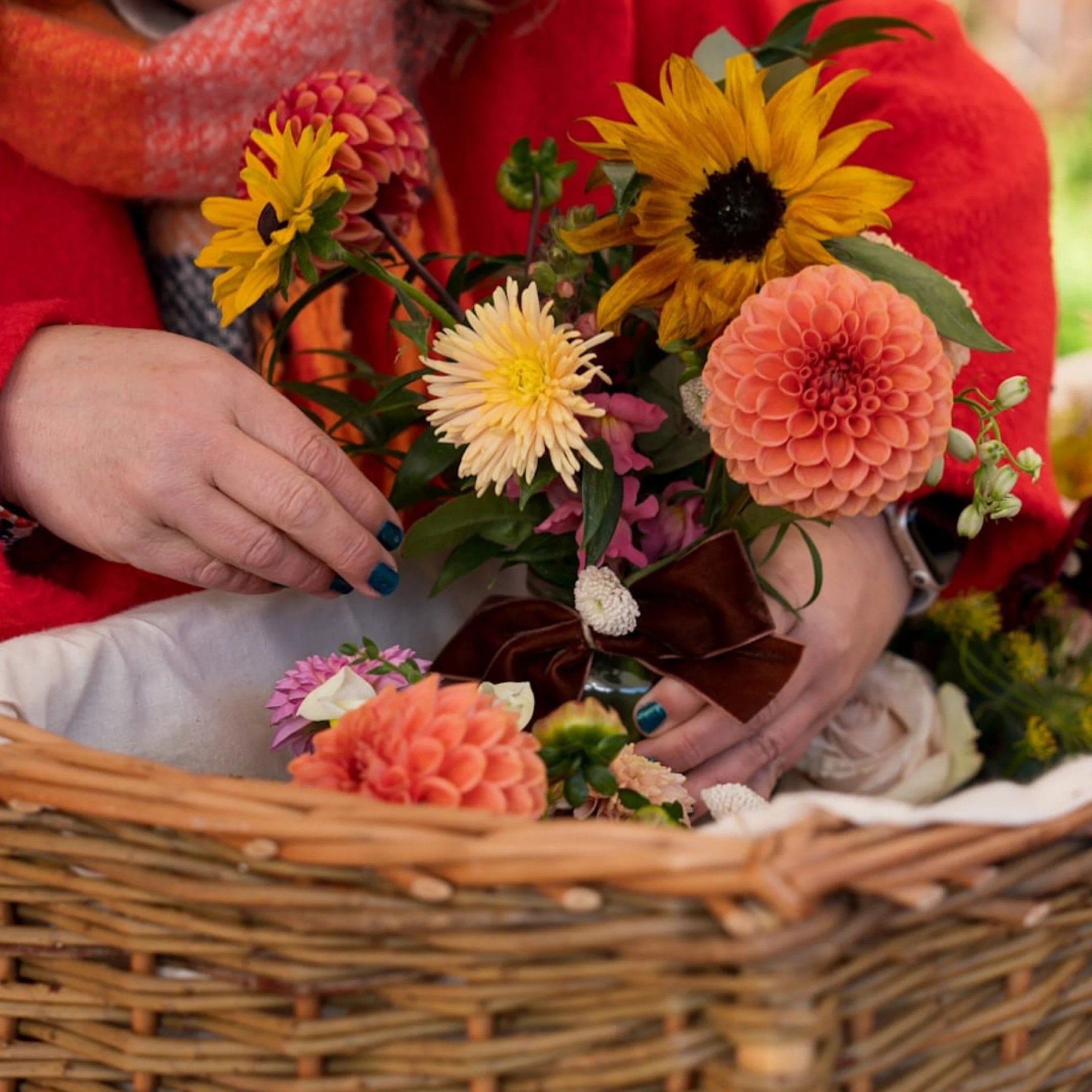
Photo by Sarah Johnson Photography at the Dead Good alternative funerals photoshoot
Creating these kinds of ceremonies is something I do quite often. In fact, only two weeks ago I led a celebration of life for a man who, along with his wife, had settled on a direct cremation to save their son the bother of organising a funeral.
When he died, she soon realised that she wanted – needed – to be able to gather with friends and family and talk about her husband of sixty years. He wasn’t something to be tidied away, he was a funny, warm, loving person with lots of friends, many of them made in the course of his long career in the record industry (remind me to tell you the story about him drinking Dr. Hook under the table, but that’s for another day).
Together, we put together a lovely afternoon at a local hotel, just five minutes’ walk from their house, where memories were shared, people laughed, and we toasted him with a glass of something sparkling. It was the best day and his wife was much, much happier.
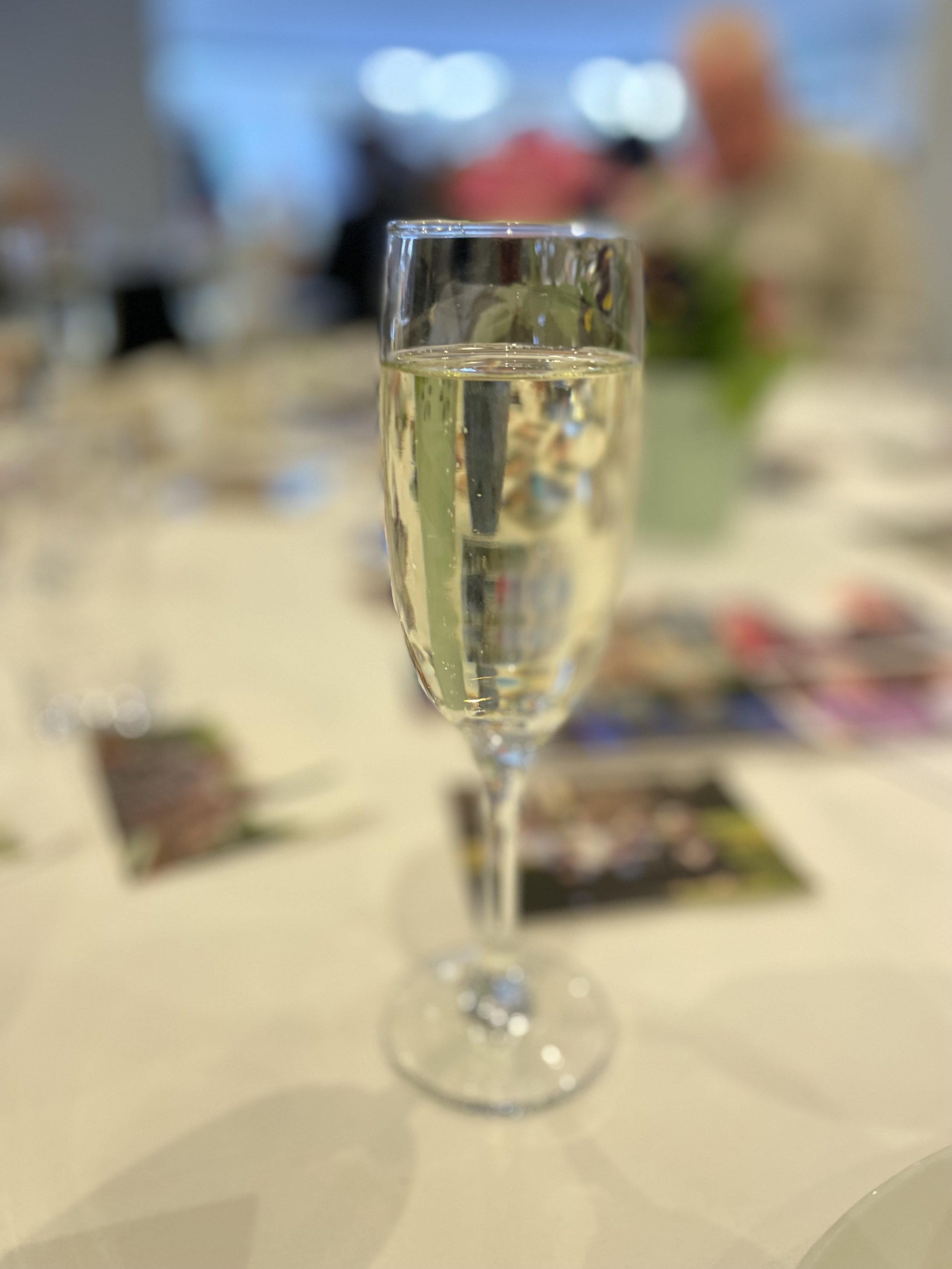
Ceremonies like these don’t have to be big, expensive occasions either. Smaller gatherings, perhaps held at home, can hold just as much meaning – more even, sometimes.
I love helping create these farewells, supporting families to find whatever way works best for them to remember their person. Generally speaking, with funerals what people really want anyway is meaning – not performance.
So, I’ve decided to see direct cremation as a blank canvas too, something which can free us up to say no to the funeral traditions which don’t hold meaning for us – and which, let’s face it, are only a relatively recent invention – and make our own traditions. Create our own farewells.
Surely that can only be a good thing? I certainly feel like it’s a step in the right direction, a way of giving ownership of death and dying back into the hands of our communities. While I see the impact direct cremation is having and I still worry about it – and about my future as a celebrant – I’ve come to look at it as not all bad.
A challenge, sure, but also an opportunity.
And if direct cremation is here to stay, let’s make it work for us – but, most of all, for the families we support.
This blog has been published in collaboration with Kimberley Jones, a Wales based humanist funeral celebrant